
Heavy & Sweaty: Push
Rounds for Quality
Progression- Floor Press
- Banded Pull Up
Pure Functional Training
60-day money-back guarantee. Register online, download the app and start training.
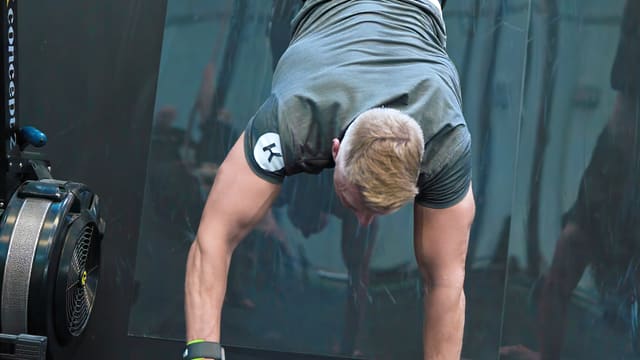 Video: About this plan
01Description
A compact and intense “Functional Split” full-body training plan—with a focus on body composition, muscle building, core training, conditioning, and true work capacity. This is the perfect plan to further develop your muscles, massively improve your overall fitness, and get visibly in shape during a cutting phase. We don’t require a barbell; instead, we use dumbbells, kettlebells, a pull-up bar, bodyweight exercises, carries, and ergometers. Each session lasts about 45 to 60 minutes, net. So you can easily follow this plan at the gym, in the functional training area, or at a CrossFit box.
02Overview
At a glance
Focus
AI & Progression
172 blocks use Progressions, with prescribed weights, equipment and training conditions to make each session as effective as possible.
03Training days
Each training day is divided into blocks. The app shows your reps, intensity and weights. AI Workouts are shown here as RX — the original version. In the app, AI adapts them to your level and equipment.
Rounds for Quality
ProgressionRounds for Quality
ProgressionRounds for Time
ProgressionInterval
ProgressionRounds for Quality
ProgressionRounds for Quality
ProgressionAMRAP
ProgressionAMRAP
ProgressionRounds for Quality
ProgressionRounds for Quality
ProgressionRounds for Quality
ProgressionRounds for Time
ProgressionRounds for Quality
ProgressionRounds for Quality
ProgressionAMRAP
ProgressionAMRAP
ProgressionRounds for Quality
ProgressionRounds for Quality
ProgressionAMRAP
ProgressionFor Time
ProgressionRounds for Quality
ProgressionRounds for Quality
ProgressionAMRAP
ProgressionAMRAP
ProgressionRounds for Quality
ProgressionRounds for Quality
ProgressionRounds for Quality
ProgressionRounds for Time
ProgressionRounds for Quality
ProgressionRounds for Quality
ProgressionRounds for Quality
ProgressionAMRAP
ProgressionRounds for Quality
ProgressionRounds for Quality
ProgressionRounds for Time
ProgressionInterval
ProgressionRounds for Quality
ProgressionRounds for Quality
ProgressionAMRAP
ProgressionAMRAP
ProgressionRounds for Quality
ProgressionRounds for Quality
ProgressionRounds for Quality
ProgressionRounds for Time
ProgressionRounds for Quality
ProgressionRounds for Quality
ProgressionAMRAP
ProgressionAMRAP
ProgressionWeek 4 (B.O.W.)
Rounds for Time
ProgressionRounds for Time
ProgressionRounds for Time
ProgressionRounds for Quality
ProgressionRounds for Time
ProgressionRounds for Time
ProgressionInterval
ProgressionAMRAP
ProgressionFor Time
ProgressionRounds for Quality
ProgressionRounds for Quality
ProgressionAMRAP
ProgressionFor Time
ProgressionRounds for Quality
ProgressionRounds for Quality
ProgressionAMRAP
ProgressionAMRAP
ProgressionRounds for Quality
ProgressionRounds for Quality
ProgressionRounds for Time
ProgressionRounds for Time
ProgressionRounds for Quality
ProgressionRounds for Quality
ProgressionRounds for Quality
ProgressionAMRAP
ProgressionRounds for Quality
ProgressionRounds for Quality
ProgressionRounds for Time
ProgressionInterval
ProgressionRounds for Quality
ProgressionRounds for Quality
ProgressionAMRAP
ProgressionAMRAP
ProgressionRounds for Quality
ProgressionRounds for Quality
ProgressionRounds for Time
ProgressionAMRAP
ProgressionRounds for Quality
ProgressionRounds for Quality
ProgressionAMRAP
ProgressionAMRAP
ProgressionRounds for Quality
ProgressionRounds for Quality
ProgressionAMRAP
ProgressionFor Time
ProgressionRounds for Quality
ProgressionRounds for Quality
ProgressionAMRAP
ProgressionAMRAP
ProgressionRounds for Quality
ProgressionRounds for Quality
ProgressionRounds for Time
ProgressionRounds for Time
ProgressionRounds for Quality
ProgressionRounds for Quality
ProgressionRounds for Quality
ProgressionAMRAP
ProgressionWeek 8 (B.O.W.)
Rounds for Quality
ProgressionRounds for Time
ProgressionFor Time
ProgressionRounds for Quality
ProgressionRounds for Time
ProgressionAMRAP
ProgressionAMRAP
ProgressionAMRAP
ProgressionAMRAP
ProgressionAMRAP
ProgressionRounds for Quality
ProgressionRounds for Quality
ProgressionRounds for Time
ProgressionInterval
ProgressionRounds for Quality
ProgressionRounds for Quality
ProgressionAMRAP
ProgressionAMRAP
ProgressionRounds for Quality
ProgressionRounds for Quality
ProgressionRounds for Time
ProgressionRounds for Time
ProgressionRounds for Quality
ProgressionRounds for Quality
ProgressionAMRAP
ProgressionAMRAP
ProgressionRounds for Quality
ProgressionRounds for Quality
ProgressionAMRAP
ProgressionFor Time
ProgressionRounds for Quality
ProgressionRounds for Quality
ProgressionAMRAP
ProgressionAMRAP
ProgressionRounds for Quality
ProgressionRounds for Quality
ProgressionRounds for Time
ProgressionRounds for Time
ProgressionRounds for Quality
ProgressionRounds for Quality
ProgressionRounds for Quality
ProgressionAMRAP
ProgressionRounds for Quality
ProgressionRounds for Quality
ProgressionRounds for Time
ProgressionInterval
ProgressionRounds for Quality
ProgressionRounds for Quality
ProgressionAMRAP
ProgressionAMRAP
ProgressionRounds for Quality
ProgressionRounds for Quality
ProgressionRounds for Time
ProgressionRounds for Time
ProgressionRounds for Quality
ProgressionRounds for Quality
ProgressionAMRAP
ProgressionAMRAP
ProgressionWeek 12 (B.O.W.)
Rounds for Quality
ProgressionRounds for Quality
ProgressionRounds for Time
ProgressionRounds for Time
ProgressionRounds for Time
ProgressionRounds for Time
ProgressionRounds for Time
ProgressionInterval
ProgressionAMRAP
Progression04Exercises
Our coaching team selected these exercises for your plan. If you need to swap one, we’ll suggest alternatives.
05Details
Build the Core: “12 Weeks Functional Fitness” is our comprehensive, 12-week flagship plan for everyday fitness, general physical preparedness (GPP), and functional performance. The former working title, “Getting Lean,” describes a strong use case: The plan is ideal for a cutting phase, during which you want to reduce body fat, maintain muscle mass, and get fitter at the same time. But the plan is about more than that. It’s not just about looking leaner—it’s about being able to endure more, work hard, and keep pushing yourself under stress for longer. This plan embodies the essence of Kernwerk training.
You’ll train strength, strength endurance, core, grip, carries, MetCons, intervals, bodyweight skills, and athleticism within a structured system. The plan doesn’t require a barbell as mandatory equipment and primarily uses dumbbells, your own bodyweight, pull-up variations, carries, medicine ball and kettlebell exercises, as well as classic conditioning elements. The result isn’t just a one-sided “look” plan, but a body that looks better, functions better, and is capable of significantly greater performance.
The standard weeks follow a clear A/B structure with four training days. Each regular training day consists of several parts. You usually start with a challenging “Heavy & Sweaty” block in a relatively low rep range. This is followed by a high-rep, hypertrophy, or volume stimulus that complements or effectively balances the same movement focus. This is followed by assist exercises for the core, grip, carries, joint stability, or holds. The session often concludes with an intense finisher, an interval, an AMRAP, or a cardio/sprint block.
This low-rep/high-rep pattern is a key part of the plan: First, you perform a heavy, controlled primary set, then you build volume, tension, and work capacity. This allows you to train not only individual muscles but also your ability to continue performing clean form even when fatigued. That’s exactly what makes this plan so valuable for general physical conditioning (GPP) and functional fitness.
Scheme A and Scheme B have different focuses but share a similar underlying logic: Push, Hinge, Pull, and Squat/Lunge are trained regularly, without being exactly the same every week. This gives you enough repetition for progress and enough variety for true GPP training. The Breakout Weeks in weeks 4, 8, and 12 deliberately break up this structure: bigger challenges, more MetCon-style training, longer workouts, and different combinations. That’s exactly where the plan gets its functional fitness edge.
The plan runs for 12 weeks. For most athletes, the standard is four sessions per week. Three sessions per week also work; in that case, the plan is extended accordingly. Five sessions per week are possible, but only make sense if you recover well and don’t push yourself too hard in every session. For most people, the optimal approach remains four training days per week, performed properly and consistently.
Weeks 4, 8, and 12 are Breakout Weeks. During these weeks, you’ll step away from the regular A/B pattern and take on larger, more independent tasks. These weeks aren’t random, nor are they simply about “working up a bigger sweat”; rather, they represent a deliberate break from the standard structure: The goal is for you to apply the fitness you’ve built up during the standard weeks in different formats.
Plan on about 45 to 60 minutes per session. Some breakout sessions may take a little longer because of setup, equipment changes, or intentional breaks. This schedule is designed for 3 to 5 sessions per week, with 4 sessions being the clear recommendation.
Very advanced "competitive" athletes can use this plan very effectively as a second training session. One possible setup would be a short, pure strength program in the morning—such as Wendler Short or Cluster Short—followed by this plan in the evening as GPP/functional fitness training. You can also add 2 Zone 2 days per week—for example, 4 KERNWERK sessions plus 2 light endurance days. However, this is an advanced setup: suitable for well-trained, resilient athletes—not the standard for beginners.
The core of this program is intentionally designed without a barbell as a requirement. Above all, you’ll need a good selection of dumbbells, a place to do pull-ups, and enough space for bodyweight, carry, and MetCon exercises. Kettlebells, medicine balls, a boxing bag, a rowing machine, a bike, or a running track expand your options and are usually available in well-equipped gyms, functional training areas, or CrossFit boxes. You don’t need a traditional barbell to effectively follow this plan. If a barbell is mentioned as an alternative anywhere, it’s optional—not part of the core concept. The plan is designed to enable strong, versatile functional training without requiring you to have a full barbell setup at all times.
Progression & Prerequisites:
This plan is a progression. That means that many exercises, weights, and training patterns are deliberately set in stone, and you cannot adjust the workouts based on your training profiles. The sessions should—at least where possible—be completed exactly as we’ve designed them. The better your equipment setup is, the more precisely you can follow the plan as intended. If a barbell is listed as an alternative anywhere, it’s optional—and not part of the core concept.
You primarily control the intensity through RPE, rep ranges, and clear objectives. During intense sets, you work in a controlled manner close to your performance limit. In MetCons and intervals, the focus is on pace, transitions, and technical quality under fatigue. In core, carry, and stability sets, control matters more than just going all out.
RPE Guide:
RPE 10 means: no more clean repetitions are possible
RPE 9 is roughly equivalent to one clean repetition in reserve
RPE 8 is roughly equivalent to two clean repetitions in reserve
An RPE of 7 means you have about three to four clean reps left in reserve
What matters isn't just whether you can somehow manage an exercise. What matters is whether you hit the intended stimulus: hard enough to trigger a response, but clean enough to make sense to continue next week.
Your progress comes from more repetitions, heavier weights, better variations, higher-intensity work, shorter rest periods, and greater control under load. This is not a linear strength program, nor is it a pure fat-loss MetCon program. You’ll build general fitness: strength, work capacity, core stability, grip strength, endurance under load, and the ability to maintain proper form even after several sets.
Be sure to use the note feature in the app. Before each workout, you can pull up your old notes right away and see what weight, exercise variation, and number of reps worked for you last time. Without notes, you’ll quickly find yourself guessing with this plan—and that’s exactly what makes progression unnecessarily difficult.
Good notes are short and practical:
"10 reps at 40 kg was perfect; I still had 2 reps left in the tank."
"Band Pull-Ups: the green band is too light; next time, I'll use a thinner one."
"DB front rack squat: 2 × 22.5 kg—clean, but tough."
You can build muscle with this plan, especially if you’re training while maintaining your calorie intake or running a slight caloric surplus. When in a calorie deficit, the focus shifts more toward muscle preservation, visible definition, and performance. So while this plan isn’t a classic hypertrophy split, it provides enough mechanical tension and volume to visibly and functionally transform your body.
If you're using this plan to lose fat, aim for a mild to moderate calorie deficit of about 250 to 500 calories per day. Your protein intake should be about 1.8 to 2.5 grams per kilogram of body weight. If you’re using the plan more for general physical conditioning (GPP), functional fitness, or light muscle building, you can aim for maintenance calories or a small calorie surplus.
The key is: enough protein, enough fluids, enough sleep, and a diet that doesn't leave you too exhausted to work out. This plan thrives on quality and output. If you consistently don't get enough energy, you'll notice it pretty quickly.
This plan is for anyone who wants to become more functionally fit, resilient, and high-performing. Beginners can use it with appropriate adjustments, but should perform the exercises properly and avoid pushing themselves to the maximum on every variation right away. Advanced athletes will find enough intensity, volume, and MetCon elements to seriously challenge themselves. Competitive athletes can use this plan as a GPP component alongside pure strength training.
In short: Build the Core is KERNWERK in a structured format. It’s not just a cutting plan, not just a strength plan, and not a random MetCon mix-and-match program. Instead, it’s 12 weeks of functional training designed to help your body achieve more. And by adjusting your calorie surplus or deficit, you can also control whether you want to focus more on cutting or on building even more strength.
06Membership
Train with all 40+ plans on Pro, with progression based on your strength levels.
–
Price currently unavailable
See membership options and prices
More plans in Functional BodybuildingAll plans in Functional Bodybuilding
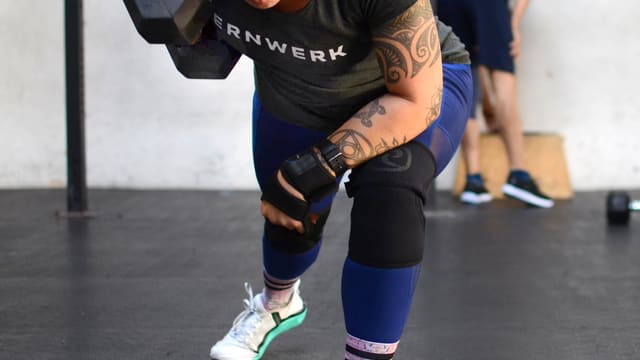 Back Building: “Upper Back, Lats & Posterior Chain”35 min · 9 weeks
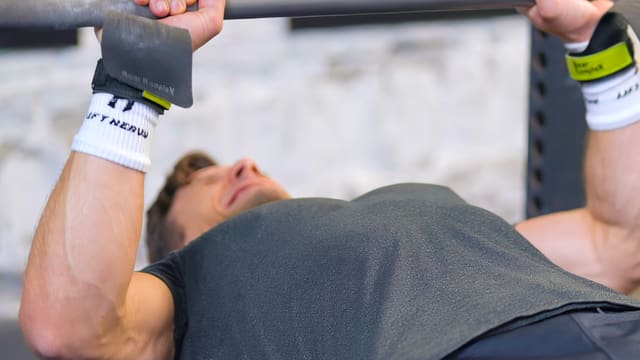 Chest Building: “Pecs, Arms & Shoulders”35 min · 9 weeks
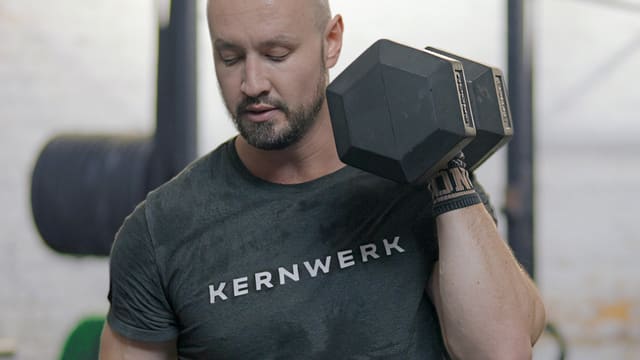 Dumbbell Snatch & Overhead Strength45 min · 5 weeks
 Full Body: Fat Loss35 min · 8 weeks
 Kettlebell & Core Level 2: “5 Weeks with 2 Bells”45 min · 5 weeks
 Leg Building: “Quads, Hams, & Glutes”35 min · 9 weeks
Sign up online, get the app and start training with a 60-day money-back guarantee.
Start plan60-day money-back guarantee. Register online, download the app and start training.